
Wallpaper about wallpaper
Wallpaper over wallpaper: a new layer quickly
Wallpaper over wallpaper is a practical way to refresh a room without immediately demolishing everything. If the old wallpaper is still firmly attached, you can often wallpaper again and create a sleek new look. Check out our wallpaper and choose a size that suits your wall so you can wallpaper without any hassle. Sticking wallpaper over wallpaper works best with solid vinyl wallpaper, as it is thicker and gives an even result. With the right preparation, you can wallpaper over it without it becoming messy or showing through.
Nevertheless, it is important to determine in advance when you can work over old wallpaper and when it is better to remove it first. The condition of your current wallpaper is leading in this: loose edges, lumps or other unevenness and multiple layers of wallpaper can cause problems. Grease and dirt can also cause glue not to adhere properly, which can cause the new wallpaper to come loose later. By paying attention to this in advance, you ensure that the new wallpaper will be tight on the wall and you don't have to start over halfway.
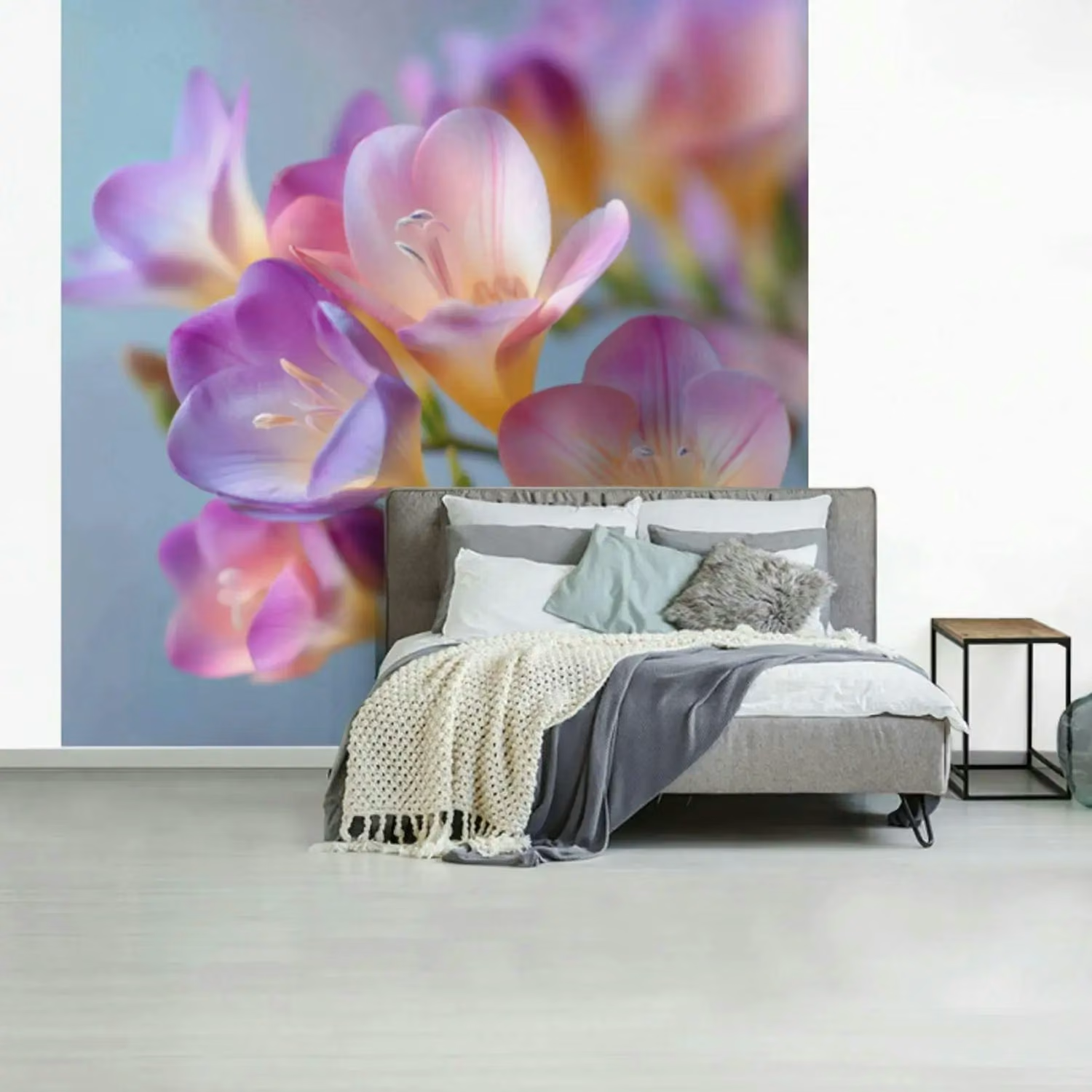
When is it possible or not?
Can you wallpaper over old wallpaper? You can, provided the old wallpaper stays on the wall, is not peeling and has no loose edges. Check that the layers of wallpaper on the wall are flat everywhere, as bumps or other unevenness will otherwise remain visible under the new layer. If you have several layers or if you see that the old wallpaper is peeling off well, then wallpaper removal is often the safest choice. In that case, it is wise to remove the old wallpaper before applying a new layer, so that the substrate remains good and the wallpaper can adhere properly.
It also matters what wallpaper is currently hanging and what type of wallpaper you are going to use. With paper wallpaper, the surface is more likely to be fragile or react unevenly to moisture, making it harder to stick over it. When using non-woven or paper wallpaper as a substrate, always test on a small piece first to see if it adheres well. Fibreglass wallpaper can also have its own structure; if that structure remains visible, it can affect the final result. If you want to be sure that your new wallpaper will stick properly, choose stronger wallpaper and make sure that the surface is clean and flat.
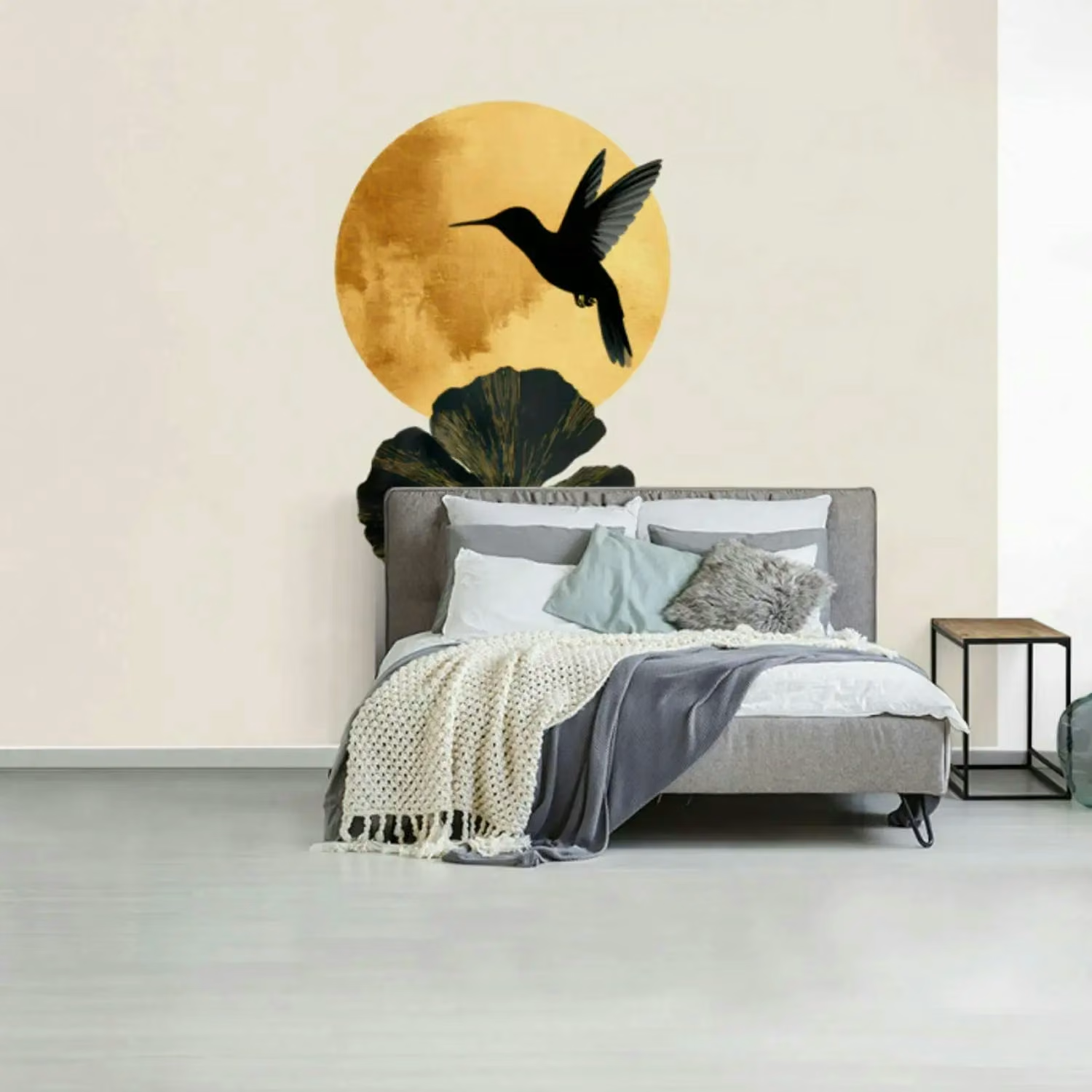
Preparation for a tight result
Before applying new wallpaper, good preparation is essential to avoid air bubbles and warping. Start wallpapering by checking the existing wallpaper for seams, damage and places where it is no longer properly attached. If there is an old layer loose somewhere, that is a signal to repair that part or remove the old wallpaper first. If in doubt, it helps to apply a small test piece of wallpaper first and see if it is still firmly in place after it dries properly.
Clean the wall well, as dirt can cause the wallpaper glue not to adhere properly. Pay special attention to areas where grease and dirt can prevent the adhesive from adhering well, such as around switches or where there is a lot of contact. By properly degreasing and drying the surface, you increase the chances of the new wallpaper staying tight. This way, you can start applying new wallpaper with confidence and avoid having to take it off later.
- Check the old wallpaper for loose edges and unevenness.
- Assess whether any layers of wallpaper are peeling or bulging.
- Clean the surface well and let everything dry completely.
- Choose and prepare the right wallpaper glue so that the wallpaper adheres well.
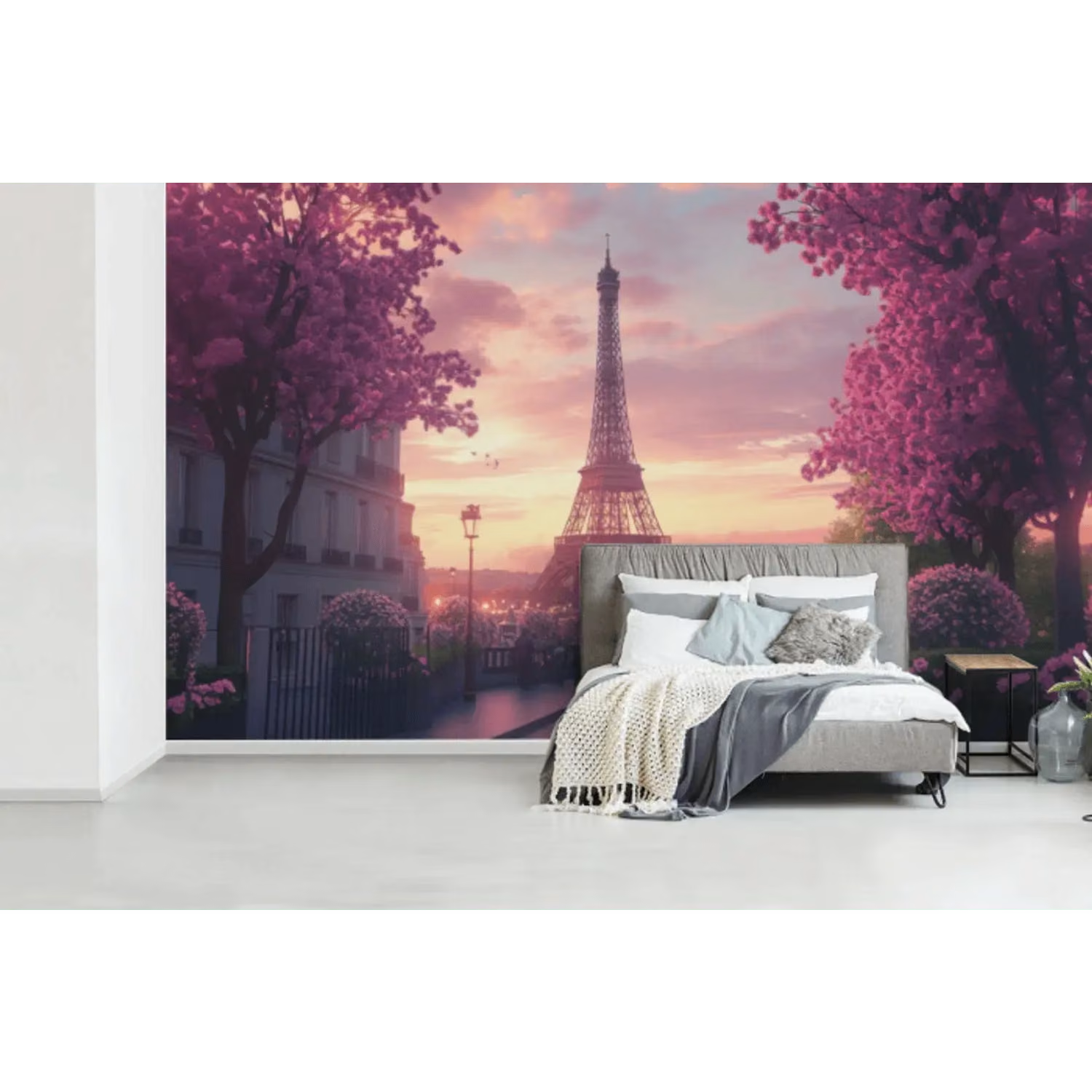
Vinyl wallpaper: strong and clean
Our wallpaper is vinyl wallpaper with a protective topcoat, making it water-repellent and scratch-resistant. This makes it pleasant to wallpaper in rooms where you want to wipe the wall occasionally, as you can easily clean it with a soft, damp cloth. Thanks to that top layer, colours stay bright and the surface remains even, even when you regularly wipe the wallpaper on the wall. This helps especially if your old wallpaper already has a somewhat busy history and you want a fresh, well-kept look.
You can choose from different sizes, so you will always find a suitable format for your wall. The print is sharp and vibrant, with rich colours that don't easily dull with daily use. If you want something personal, you can also have photo wallpaper made with your own image; that's Airtex wallpaper. So you can choose new wallpaper that fits your style exactly, whether you want a quiet base or a striking image.

Choose formats without hassle
Whether you want to tackle a small wall or a large wall in one go with a new layer of wallpaper, the right size makes wallpapering a lot easier. You avoid unnecessary cutting waste and you keep the wallpaper taut because you work with a size that suits the room. The most popular size is 240x240 cm, but you can also order smaller or larger. This way you can neatly align the new wallpaper layer and get a calm final image, even if you want to wallpaper over it.
Format Practical to use 120x140 cm Useful for a smaller wall or a clearly defined area. 240x240 cm Most popular format for an eye-catching but clearly defined wall fill. 600x400 cm Suitable if you want to cover a large wall in one go.
Choose your new wallpaper and start
If you want to apply wallpaper over wallpaper without hassle, choose a size that suits your wall and start wallpapering with a plan. You can order ready-made glue with it, so you can start applying wallpaper straight away and don't have to search for the right products. If desired, add a squeegee with felt for a nice result, plus a Stanley knife and/or fabric gloves for neat work. This way, wallpapering over wallpaper becomes clear and you can work step by step towards a clean finish.
If you are going for a personalised wall, you can also have a photo printed on wallpaper and create your own new wallpaper. By choosing extra strong 350g vinyl, you get a smooth and durable material that is easy to keep clean. That gives peace of mind, especially if your old wallpaper was already a bit stain-sensitive and you want to keep a tidy wall. With the right preparation and a suitable size, you can stick the new layer over it and achieve a result you will enjoy for a long time.
You can do this if the old wallpaper is firmly attached throughout and has no loose edges, blisters or bulges. Also check that there are no multiple layers that could come off. If in doubt, sticking a small test patch is a safe check.
If the old wallpaper is loose, bulging or consists of several layers, removing old wallpaper first is usually the best choice. This will ensure that the substrate is good and prevent the new wallpaper from coming loose later. A flat, clean wall gives the tightest result.
Use the right glue to match the wallpaper you choose so that it adheres well to the surface. You can also choose ready-made glue so you can start immediately. Make sure the surface is clean and dry, otherwise the glue will not adhere as well.
This can happen if the surface is very dark or has distinct patterns underneath. With thicker wallpaper, such as sturdy vinyl, you reduce that chance and the surface remains more even. A test piece helps to assess whether the effect is visible.
You clean it easily with a soft, damp cloth. Thanks to the protective top coat, colours stay bright and the surface stays neat. After application, let everything dry thoroughly before cleaning.