
Can you paint over wallpaper

Can you paint over wallpaper or better replace it?
Can you paint over wallpaper without the result being disappointing? In many cases you can, but it depends on the type of wallpaper and the condition of the wall. If you can paint over wallpaper, first check that the wallpaper is firmly attached and that there is no wallpaper hanging loose anywhere. If in doubt, new wallpaper is often the surest choice for a clean end result. With vinyl wallpaper, you also choose wallpaper that is water-repellent, remains scratch-resistant and is easy to clean, so you are less likely to have to repaint or replace it.
If you're fed up with wallpaper, painting wallpaper sometimes seems like the quickest solution. Yet painting over wallpaper is not always ideal: with some types of wallpaper, the paint may not adhere well or the surface may become uneven. Therefore, before you start, it is smart to determine what kind of wallpaper you have and whether your wallpaper is suitable for painting. If you want to make sure that your wall looks neat again, then wallpapering with a new, strong and washable wallpaper is a sustainable step.
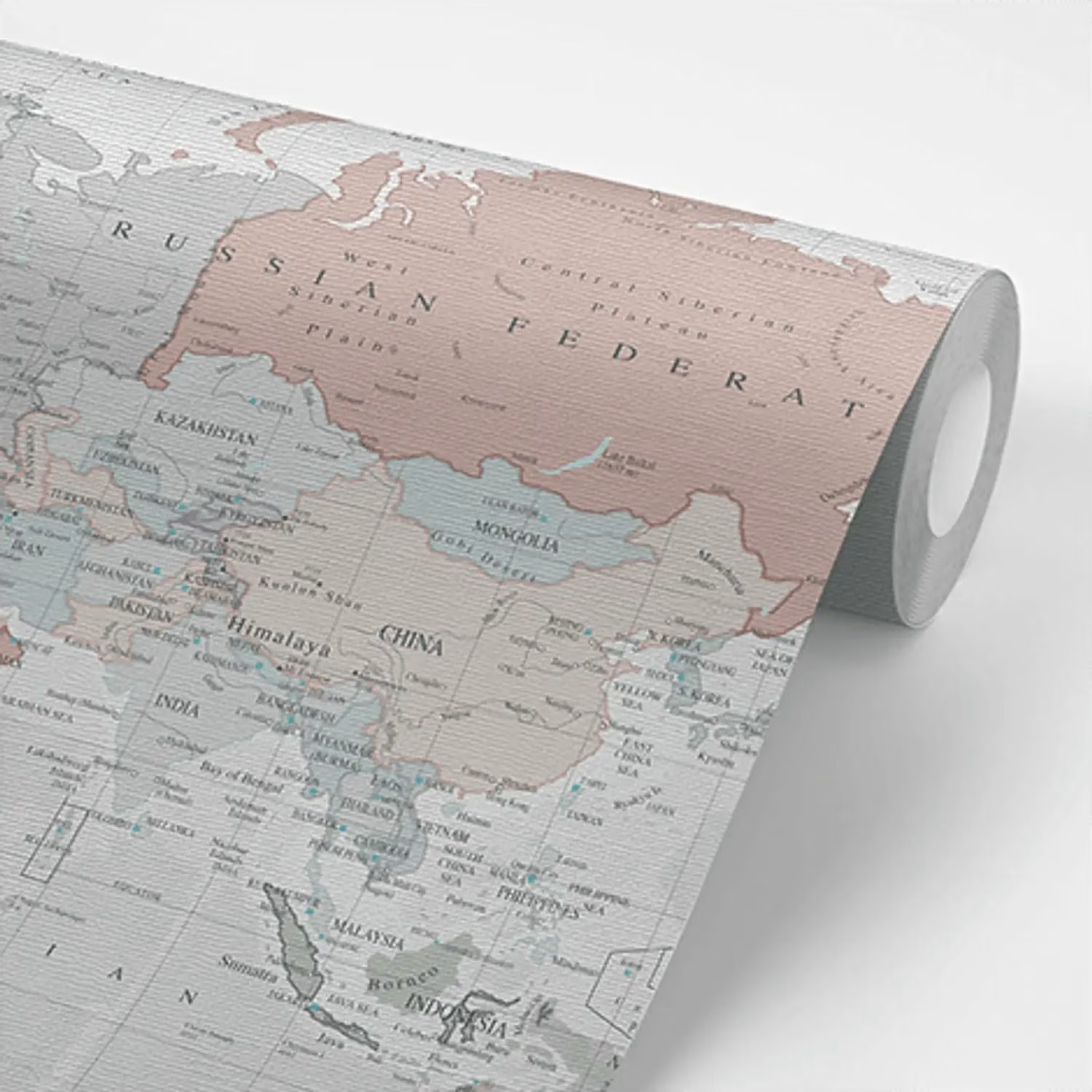
When is painting over wallpaper wise?
Painting over wallpaper is possible if the wallpaper is properly attached and the surface remains stable. Check that the wallpaper is firmly attached, especially at seams and edges, because the chances of the wallpaper coming loose are increased if you start painting where there is already tension. As long as the wallpaper adheres well and does not bulge, repainting wallpaper is sometimes possible. But with old wallpaper or wallpaper made of paper, there is a greater chance that paint will not adhere well and you will still have to remove the wallpaper.
Also pay attention to the type of wallpaper you have: fleece and fibreglass wallpapers are often more stable than thin varieties, but each wallpaper reacts differently to moisture and paint. You determine whether the wallpaper is good by checking whether the surface is even and whether the wallpaper lies smoothly against the wall. If you notice any areas where wallpaper is loose, reattach the wallpaper before continuing. If you do eventually decide that wallpaper removal is necessary, taking wallpaper off is sometimes better than continuing to repair it.
How to prepare non-woven wallpaper
Before you start painting, preparation is everything, as this will ensure that the paint adheres and that you don't get any stains or gloss differences. Clean the vinyl wallpaper with a soft, slightly damp cloth to get rid of grease and dust; this will help the paint grip well. First check that the wallpaper is not damaged anywhere and that the wallpaper is firmly attached, as you don't want edges to come loose while painting. When painting wallpaper, work slowly and evenly so that you don't see any streaks in the end result.
If you do want to paint over wallpaper, be aware that you won't always get rid of the pattern and texture completely. You can paint over some types of wallpaper, but it is still important to assess which wallpaper you can paint over without risk of drawing through. If you use wall paint, too wet a coat can cause the wallpaper to suck up or seams to work. It is therefore wise to apply paint in thin, controlled layers and let it dry in between. If you find that paint does not cover or adhere well, stop and reconsider whether rewallpapering is not the better choice.vinyl wallpaper
Why choose new vinyl wallpaper?
If you want a sleek result without fuss, new wallpaper is often the most reliable solution. This vinyl wallpaper is extra strong (350 gsm), has a smooth and durable surface and is water-repellent, making it easy to clean as a washable wallpaper. Stains are easily removed with a soft, damp cloth, while the protective coating helps keep colours bright and the surface smooth. As a result, the wallpaper remains fine in rooms where you want to maintain a neat, tidy wall.
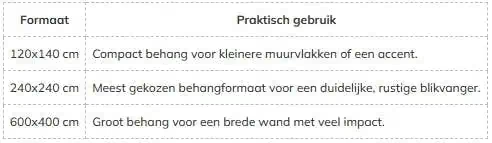
Plus, you can always choose a suitable size, from 120x140 cm to 600x400 cm, with 240x240 cm being the most commonly chosen size. That makes the wallpaper suitable for many walls, without having to compromise on a print that is too small or has too many seams. You can also choose Wallpaper, where a photo is printed on wallpaper as Airtex wallpaper. This way, you determine the look yourself, without having to think about wall paint or repainting wallpaper later.
Useful extras with your order
Whether you are going to wallpaper or are hesitating between repainting and replacing wallpaper, the right tools will help you work neater and faster. You can opt for ready-to-use glue, so that you can start wallpapering immediately without extra preparation. You can also add a squeegee with felt to rub the wallpaper tight and prevent air bubbles. A Stanley knife will help you cut edges neatly, and cloth gloves will help keep the wallpaper clean during installation.
- Ready-made glue for a smooth start to wallpapering
- Rake with felt for a tight and even result
- Stanley knife for precise edge finishing
- Fabric gloves for neat wallpapering
Choose the wallpaper that suits you
When in doubt about whether you can paint, it's often soothing to opt for new wallpaper that's instantly finished. With this wallpaper, you get a razor-sharp print with rich colours, and thanks to the protective top coat, the surface stays beautiful and easy to maintain. You can choose from many sizes, so the wallpaper fits your wall properly and you don't have to improvise. This prevents you from having to paint again later or think about painting your wallpaper.
If you want to personalise, you can also print your own photo to create a unique wall without the hassle of painting wallpaper. Order your tools right away, such as ready-to-use glue and a squeegee with felt, so you can get started right away. That way, you don't have to gamble on whether paint will hold, and you avoid situations where you are disappointed after painting. Choose the right type of wallpaper and enjoy a sleek result that lasts.
If you can paint over wallpaper with wall paint, this is only possible if the wallpaper is properly attached and the surface is even. If the wallpaper is loose or vulnerable, the paint cannot adhere properly and you will get problems faster. When in doubt, new wallpaper is often the safer choice.
Which wallpaper you can paint depends on the type of wallpaper and the condition of the surface. Solid wallpaper such as fleece or fibreglass wallpaper is more likely to succeed than paper wallpaper. Always check first that the wallpaper is firmly attached and not damaged.
Before painting: clean the wallpaper with a soft, damp cloth and check that the wallpaper is not loose anywhere. Make sure the wall is dry and dust-free so paint will adhere. If any edges come loose, reattach the wallpaper before you start.
If wallpaper is loose or uneven, wallpaper removal is often better than continuing to repair with paint. With old or fragile wallpaper, painting over wallpaper can add extra risk of a messy result. With new vinyl wallpaper, you instantly have a sleek, low-maintenance surface.