
How to Clean a Canvas Print
How to clean a canvas print at home without damaging the print
If you are searching for how to clean a canvas print, you are probably looking at your finished canvas painting and noticing a little dust, a smudge, or that the canvas is getting dirty over time. The good news is that cleaning a canvas print is usually simple when you treat it like high-quality wall art and use gentle steps. This guide focuses on our ready-made canvas artwork: these are already painted designs on canvas, not blank canvases, and they come in many sizes from 20 x 30 cm up to 120 x 80 cm. If you want your piece to stay crisp and the canvas looking its best, start with the safest routine and only move to deeper cleaning when you really need it. For more options in finishes and sizes, you can also explore our canvas prints collection.
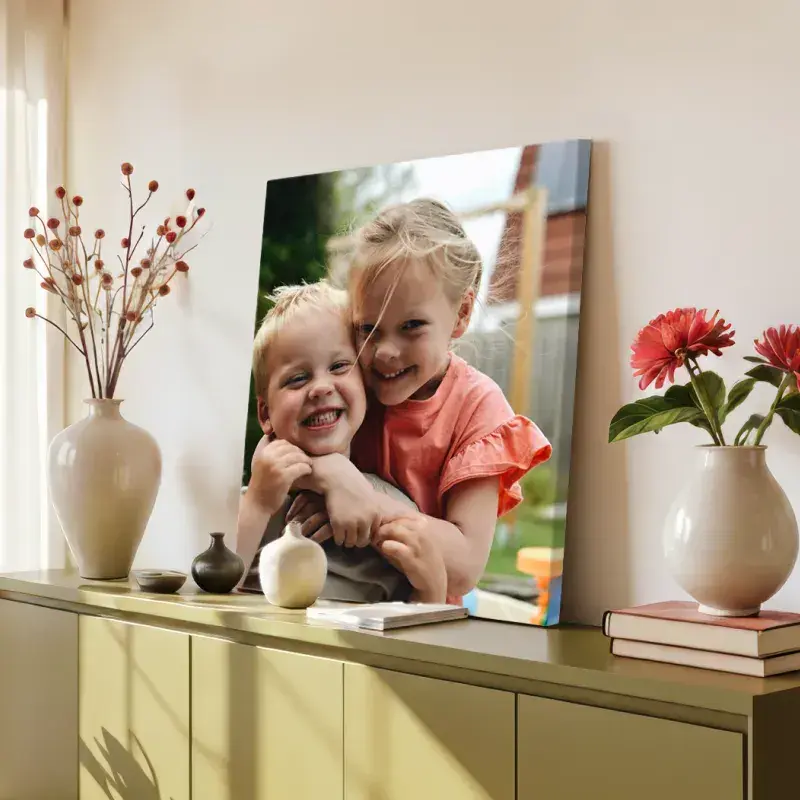
Canvas print and photo canvas: What you are cleaning on a finished canvas painting
Before you start cleaning, it helps to know how to clean canvas safely by understanding what you are touching. Our product is a canvas painting that is already finished, meaning the front is the visible image on the canvas fabric, stretched and ready to hang. The surface of the canvas has texture, and that texture can trap a layer of dust and dirt, especially on larger formats like a 120 x 80 cm or a large 100 x 50 cm canvas panorama. Some people call every piece a canvas print or even a photo canvas, but the cleaning goal is the same: remove dust and light grime without rubbing too hard. If you treat it like professional art, you will keep it as clean as possible while avoiding steps that could damage the canvas.
Clean canvas prints: A quick dusting routine to keep your canvas looking its best
The best way to clean for regular maintenance is dry dusting, because it is easy and low-risk. Use a microfibre cloth or microfibre duster and lightly pass over the canvas, following the texture rather than pressing into it. This removes dust before it builds up and helps keep your canvas prints looking fresh, especially if the piece sits near doors, kitchens, or open windows. If you want to clean canvas pictures on a schedule, aim for a quick dust every few weeks and a closer check every couple of months. This simple habit is one of the most effective cleaning tips to stop it getting dirty.
- Use a clean cloth that is soft and lint-free, ideally a microfibre cloth.
- Support the frame with one hand and wipe the surface with the other, using light strokes.
- Do not scrub, because the textured canvas material can catch fibres and increase wear.
- Check corners and edges where dust and dirt often collect first.
Clean a canvas print: The best way to clean a stain, grime, or nicotine marks?
Start with the gentlest option: for most light marks, the best way to clean is to use a clean, soft cloth that is only slightly damp. Dampen the cloth with plain water so it is only slightly damp, then gently touch the area and wipe without spreading the mark. This is a safe way to clean a canvas when you are removing dirt from a small spot, and it helps avoid making the print too damp. If you are dealing with nicotine residue or visible grime, you can use soapy water, but it must be very mild and used sparingly because harsh chemicals can damage the print and may cause the canvas to warp. Always remember that the goal is to clean your canvas print properly without soaking the canvas fabric or rubbing the ink or painted finish.
If a stain does not lift quickly, stop and reassess rather than pushing harder. Rubbing the canvas too aggressively can scratch the surface and make the canvas look uneven in that area. For stubborn stains, it is best to use a white cotton cloth with minimal moisture and a tiny amount of soapy solution, then follow with a second cloth to remove any residue with plain water. Let the canvas dry completely in the open air, and do not use heat, because heat can damage the canvas and affect tension. If you still cannot lift the mark, consider an art restorer or professional art cleaner who specialises in cleaning and restoration.
Cleaning your canvas print: Step-by-step cleaning tips that keep your canvas looking its best
If you want to clean your canvas print confidently, follow a simple sequence and stop as soon as the mark is gone. This approach helps you clean a canvas print without overworking the same area, which is where most damage happens. It also helps keep your canvas print looking consistent across the whole image, especially on larger pieces where uneven cleaning can show. Use cleaning methods that are gentle and controlled, and keep water use minimal because canvas is prone to moisture damage.
- Dust first with a microfibre cloth to remove loose dust and dirt.
- Test a hidden edge with a slightly damp cloth to check for any surface sensitivity.
- If needed, use a damp cloth to gently blot, then wipe in short strokes.
- For a small stain, use a tiny drop of mild soapy water on a clean cloth, then wipe the surface lightly.
- Finish by wiping again with a separate cloth that is damp with plain water, then let the canvas air-dry completely.
This is the best routine for most homes, and it reduces the chance you will damage the print. Avoid using paper towels, abrasive sponges, or anything that could snag on the canvas texture. Also avoid harsh chemicals, because they can dull the finish and may cause the canvas to lose its crisp look. If you want to clean your canvas just for maintenance, stick to dusting and only use moisture when you truly need it.
How to stop it getting dirty and avoid direct sunlight
The easiest way to clean less often is to place your artwork thoughtfully from day one. Hang the canvas away from cooking splashes, fireplaces, and areas with frequent hand contact, because those spots lead to it getting dirty faster. Keep it out of direct sunlight, because light can fade over time and reduce contrast. Also watch for humid environments like bathrooms or poorly ventilated kitchens, since moisture can cause the canvas to slacken and attract dust. If you want ideas for placement and styles of canvas wall art, browse our canvas wall art range.
Size also matters for day-to-day care, because a large canvas or XXL panorama often sits closer to walkways and collects more airborne dust. If you choose a statement piece like 120 x 80 cm, plan a location where people will not brush past it. Keep your canvas at a stable room temperature, and avoid placing it right above radiators or vents that blow particles onto the surface. With smart placement, your print should stay cleaner for longer and keep it looking sharp with minimal effort. This is how you keep it as clean as possible without constant wiping.
Storing canvas: The best way to store it and protect the back and edges when it is not on the wall
If you need to store your artwork during a move or renovation, do it in a way that protects both the front and the back of the canvas. Store the canvas upright if possible, and never place heavy objects against the face, because pressure can dent the canvas material and leave permanent marks. Choose a dry space, away from basements and humid environments, and make sure air can circulate so any accidental dampness does not linger. Cover it with a clean, breathable material rather than sealed plastic, because trapped moisture can cause the canvas to soften. This careful way of storing helps extend the life of your canvas and keeps the edges crisp.
Before storage, remove dust with a microfibre cloth and make sure the surface is fully dry. Protect corners and the back of the canvas with cardboard or foam so the stretcher frame does not rub against other items. If you are stacking multiple pieces, place a rigid board between them so the canvas fabric does not touch another surface. When you unpack, let the canvas acclimatise to the room and then hang it once it feels dry and stable. If you are choosing a new statement size for a big wall, our large wall canvas paintings can help you fill the space with the right proportions.
Choose your next canvas painting in the perfect size
If you now know how to clean a canvas print and how to keep your canvas looking its best, choosing the right piece becomes even more satisfying. Our finished canvas paintings are high-quality and available in many formats, from compact 20 x 30 cm to 40 x 80 cm, and even a 100 x 50 cm panorama. Pick a size that fits your wall so you can hang your canvas in a spot that stays cleaner and is easier to maintain. If you are also considering a custom option, you can explore a personalised canvas for a piece that matches your space perfectly. Choose your favourite design and size today, and enjoy wall art that stays beautiful with simple care.
It is better to avoid household sprays because many contain harsh chemicals that can damage the print. Stick to dry dusting and, only when needed, a cloth that is damp with plain water or very mild soapy water.
Stop wiping immediately and place the artwork in a well-ventilated room to dry completely. Do not use a hairdryer or heater, because rapid drying can cause the canvas to tighten unevenly.
Light dusting every few weeks is usually enough, especially for larger pieces that collect more airborne dust. If the canvas is in a high-traffic area, check it more often and remove any layer of dust early.
Gentle dusting should not affect colour, but aggressive rubbing can scratch the surface and dull the finish. Always use minimal pressure and test a small edge first if you are using any moisture.