
How to Hang a Canvas
If you are wondering how to hang a canvas neatly and confidently, start by choosing the right canvas size and the right spot on the wall where you want it to sit. This guide to how to hang a canvas helps you place a finished canvas painting so it looks balanced, sits straight, and stays in place. You can explore different styles and sizes via canvas prints, then decide which hanging solution fits your wall type. Whether you hang a canvas with hardware or prefer options without nails, the goal is the same: keep the canvas flush against the wall and aligned at eye level.
Our product is a high-quality canvas painting that is already painted, so you receive a complete design on canvas rather than an unfinished piece. With sizes ranging from 20x30 cm up to 120x80 cm, it is easy to match a small canvas to a compact space or choose a panoramic canvas for a wider wall. Because size and weight vary, it helps to think ahead about the weight of your canvas and the method for hanging that will support it. Below you will find simple steps and practical options to hang your canvas securely, including a way to hang it with nails or with adhesive strips.
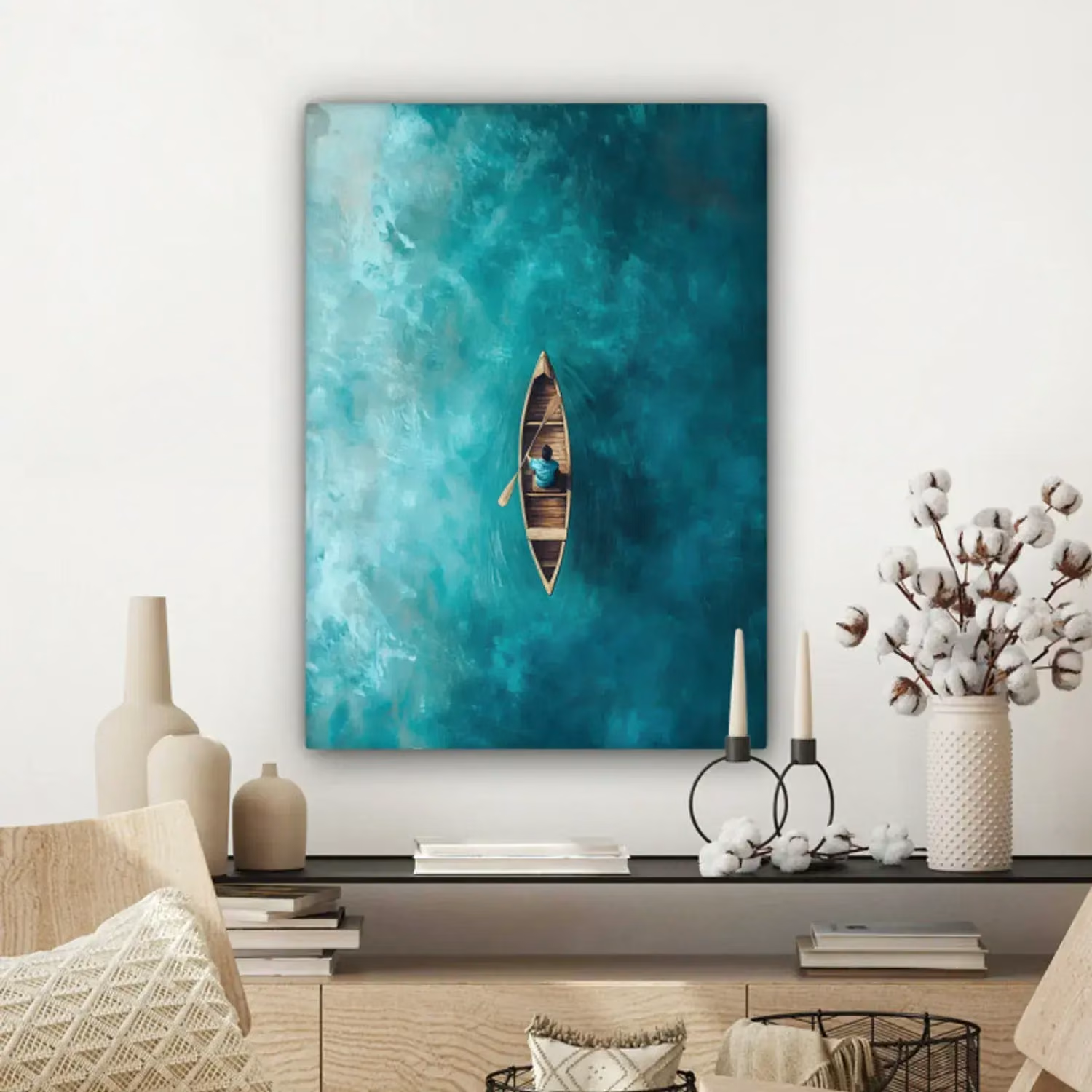
Choose the Right Size
Start by measuring the wall and use that measurement to choose the right format for your canvas. Depending on the size, a compact canvas can feel subtle while a wider format can become a large statement piece. If you want a large canvas, you can also go for panoramic proportions, including options up to 120x80 cm. A good rule is to consider the height so the top edge of the canvas does not sit too high, with the main visual area close to eye level.
Because our canvas painting is a finished design on canvas, your decision is mainly about scale rather than production choices. The canvas frame and stretcher are built to present the artwork cleanly, so placement is what makes it shine. If you are styling around furniture, keep the canvas against the wall and centred to your layout. For very wide walls, large canvas prints can help fill the space, but it is still important to choose a size that fits the surrounding decor.
Canvas Size Placement Idea
- 20x30 cm Small areas where a small canvas adds a focused accent
- 60x40 cm Easy to balance above a sideboard or in a hallway
- 120x80 cm Works well as a strong focal point on a main wall
- 100x50 cm Panorama format for a wide wall and a bold presence
Simple Steps with Hardware
For a classic approach to hanging a canvas print, begin by checking your wall type and picking suitable hanging hardware. This is one of the popular ways to hang a canvas when you want a stable result, especially for larger formats. Step 1: choose the right spot and lightly mark the point using a pencil where the hanger or picture hook should sit. Step 2: measure the distance from the hanging point to the top edge of the canvas, then transfer that measurement to the wall so the canvas lands at the intended height.
Step 3: use a spirit level to make sure it is straight before you commit to the final position, then install nails or screws as needed. You may use nails for lighter pieces, but for heavier sizes a screw often feels more controlled and sturdy enough to hold the weight. If you are using nails or screws, place the fixings carefully, and for wider pieces consider two nails to help hold the canvas evenly. Once the hardware is in, attach the canvas by engaging the hanger on the back of your canvas, then check alignment again with the spirit level.
Options Without holes in your wall
If you want pictures without holes, you can hang a canvas without nails by using 3m adhesive strips that match the size and weight. This is a practical route for prints without permanent fixings, and it can help avoid marks without causing damage when used correctly. Start by cleaning the wall so it is dry and clean, and avoid freshly painted walls until they have fully cured. Then add adhesive strips to the back of the canvas so the load is spread evenly.
To hang your canvas this way, ensure the adhesive is firmly attached to the back of the canvas, then position the canvas on the wall. Press firmly across the contact points so it bonds well, keeping the canvas flush against the wall. If the canvas tends to lean away from the wall, re-check strip placement so it can hold the canvas more evenly. This hanging solution is especially useful when you want a clean look without leaving visible fixings.
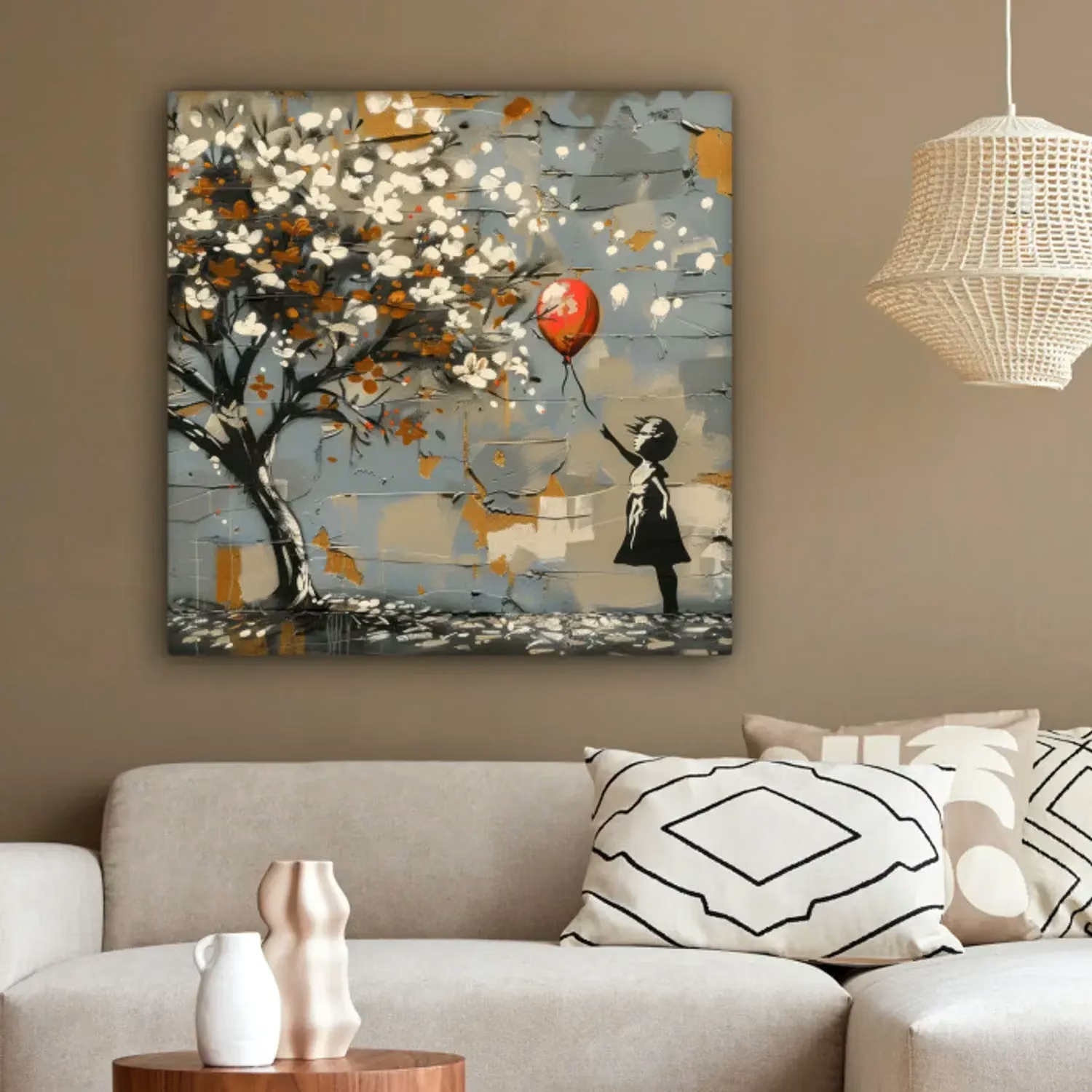
Hanging details that keep it straight
Small adjustments make a big difference when you hang the canvas and want it to look professional. Use a spirit level again after mounting, and if needed, slide the canvas a few millimetres to correct the line. If your hanging setup includes a sawtooth fitting attached to the back, centre it carefully so the canvas does not drift to one side. For some arrangements, you may prefer a hanger that keeps the canvas stable, especially when the format is wide.
Also consider how far the canvas sits from the wal. Keep the viewing height consistent so the artwork reads well in the room, and avoid placing it too close to the ceiling. If you are arranging multiple pieces, align their centre lines rather than their top edges for a calmer look. This approach helps you display your canvas prints as intentional wall decor rather than a random print on the wall.
Pick Your Canvas and Get It on the Wall
Choose a finished canvas painting in the size that fits your room, then plan how you will hang your canvas based on wall type and the weight of your canvas. If you want a wide centrepiece, you can hang a large canvas and create a strong focal point with a panoramic format. For inspiration and more options, browse large wall canvas paintings and compare the available dimensions. With the right placement and a quick check using the spirit level, your canvas will look clean, straight, and intentional.
If you prefer a minimal installation, choose adhesive strips and follow the preparation steps so the canvas holds securely. If you are comfortable with hardware, pick nails or screws that suit your wall, then measure carefully before you commit. Either way, you are placing a high-quality canvas design that is already painted, so the finishing touch is simply getting it level and well positioned. Once it is up, you can enjoy a beautiful new canvas that fits your space and scale.
The best placement is usually with the main visual area at eye level, so the canvas feels natural to view. Measure first, then use a spirit level to keep the canvas straight. This helps the finished canvas painting look balanced on the wall.
Yes, you can hang a canvas without nails by using adhesive strips, as long as the surface is clean and dry. Avoid freshly painted walls until the paint is fully cured, so the strips adhere properly. Press firmly so the canvas sits flush against the wall.
For larger sizes, nails or screws can work, but a screw often provides a more controlled hold. Match the choice to the wall type and the weight of your canvas. If needed, use two nails to help hold the canvas evenly.
Mark your points carefully, then use a spirit level before and after mounting. If the canvas shifts slightly, you can slide the canvas a little to correct it. Taking time to measure the distance to the top edge of the canvas helps prevent uneven placement.